


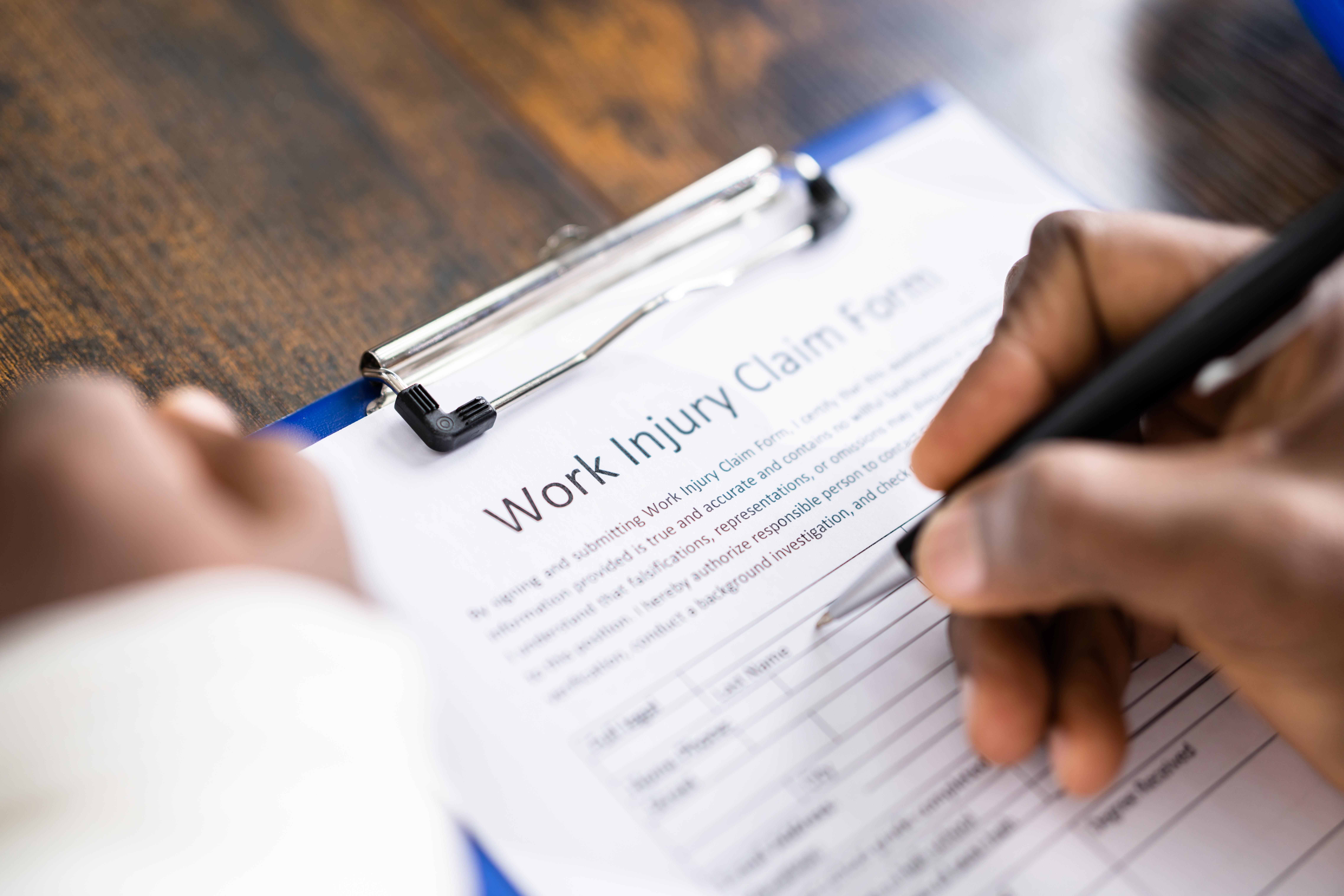
Workers’ compensation can be a solid safety net for anyone who gets hurt on the job, but you have a few hurdles to clear before receiving workers’ compensation benefits. One of the biggest hurdles is proving that your injury was work related.
Fortunately, our attorneys at the Law Offices of Arechigo & Stokka have nearly two decades of experience helping injured employees maximize workers’ compensation benefits throughout Minnesota. We can help you understand what counts as a work-related injury in Minnesota, how to prove it, and what benefits you might recover.
What Is Workers’ Compensation?
Workers’ compensation is a no-fault insurance system that covers your medical care and a portion of your lost wages and earning capacity after a work injury. In general, if you suffer a valid injury on the job, you may collect benefits regardless of who was at fault.
What Benefits Can You Receive?
Once your injury qualifies under workers’ compensation, Minnesota’s workers’ compensation laws provide several benefits. Below is a summary of what you might receive.
Medical benefits
If your claim qualifies, your employer must pay for all reasonably required medical care related to your injury. The care you receive should include treatment to improve your condition and relieve the symptoms of any permanent ailment.
Wage Replacement Benefits
Workplace injuries are not only physically, mentally, and emotionally taxing but also financially challenging. Because an injury can take away your ability to work and earn money, the state’s workers’ compensation system requires insurers to pay a portion of an injured employee’s lost wages.
Wage loss benefits include the following:
- Temporary Total Disability (TTD)—pays for two-thirds of your wages when you’re totally unable to work while you’re still healing;
- Temporary Partial Disability (TPD)—pays for two-thirds of the difference in your wages when you can do some work but only at reduced capacity or pay while you’re still healing;
- Permanent Partial Disability (PPD)—provides a set amount of money if you have a lasting impairment but can still work, with the benefit amount based on your impairment level; and
- Permanent Total Disability (PTD)—if your permanent impairment is so high that you can’t return to work, you may receive recurring payments of two-thirds of your wages.
Before settling the matter of permanent disability payments, Minnesota law may allow you to receive benefits for retraining, job placement assistance, or vocational services to help you work in another position.
What Are Qualifying Injuries in MN?
Minnesota’s workers’ compensation laws cover only injuries that are work-related. The legal definition of a workplace injury or work-related injury is a physical injury or mental damage that arises out of and in the course of employment. To put this another way, you must be injured during working hours and while in or around an area where your employer requires you to be to work. Work-related injuries include acute injuries (such as broken bones or burns) and chronic conditions (such as carpal tunnel syndrome or repetitive stress injuries).
What Is Not a Work-Related Injury in Minnesota?
Sometimes, getting hurt at work or during working hours doesn’t create a work-related injury. An employer may deny coverage for the following:
- An injury caused by a third party for a reason that is purely personal to you,
- Injuries from self-inflicted harm or your own intoxication, and
- Conditions that are a natural progression of a disease and not aggravated by work.
The key question is whether your injury is job-related or whether your job significantly contributed to it.
How to Prove Your Injury Is Job-Related
Proving that your condition qualifies as a work-related injury in Minnesota means proving both the fact of the injury and its job connection. The following are steps to consider.
Timely Reporting and Notice
In general, you must notify your employer in writing about your injury within 14 days. Your report should have clear and easy-to-follow details regarding how your injury occurred. If you delay your report, the employer/insurer may deny your claim or try to declare that your symptoms are not related to your job.
Providing Medical Evidence
You may need to provide your employer’s insurance carrier with medical records, including doctors’ reports, imaging, and lab tests. A medical professional should link your injury or disease to your work. For repetitive or cumulative conditions, your doctor should explain how your job tasks caused or aggravated the condition.
Medical reports should state:
- The nature of your condition;
- How work tasks caused, aggravated, or contributed to your symptoms;
- Date symptoms began; and
- Work restrictions and impairment levels.
You may need to provide pre- and post-injury records to show how your mental or physical state has changed since the workplace incident.
Providing Employment and Workplace Facts to Medical Professionals and Insurance Carriers
Before you provide statements or information about your claim to your employer, you should speak to an attorney so they can keep employers and insurers from twisting your words. However, you will need to give employers and carriers details about your case to show why you need benefits and how your employer is liable.
In many cases, you should be prepared to provide:
- Job and duty descriptions;
- A timeline of when symptoms began and what makes them worse or better;
- A detailed description of when and where your injury happened;
- Witness statements, if any;
- Statements regarding the changes in your abilities and mental state;
- Descriptions of any tools or machinery you used before you suffered your injury; and
- Notes about the workplace conditions before you suffered your injury.
These facts can help tie your injury to your job duties and protect you from claims that your injury occurred outside of work.
Contact Us Now
At Arechigo & Stokka, we’ve spent nearly 20 years fighting for injured Minnesotans. We’ll give your case the personal attention it deserves and stand by you every step of the way with direct access and clear communication.
If you’ve been injured at work and wonder whether your injury qualifies for workers’ compensation, don’t wait. Contact Arechigo & Stokka at (651) 222-6603 by phone or online today. Our experienced attorneys will review your claim, explain your rights, and help pursue the benefits you deserve.
Resources:
- Compensation Schedule, MINN. STAT. 176.101 (2024), link.
- Rehabilitation, MINN. STAT. 176.102 (2024), link.
- Application to Employers and Employees, MINN. STAT. 176.102 (1996), link.
- Notice of Injury, MINN. STAT. 176.141 (1986), link.