


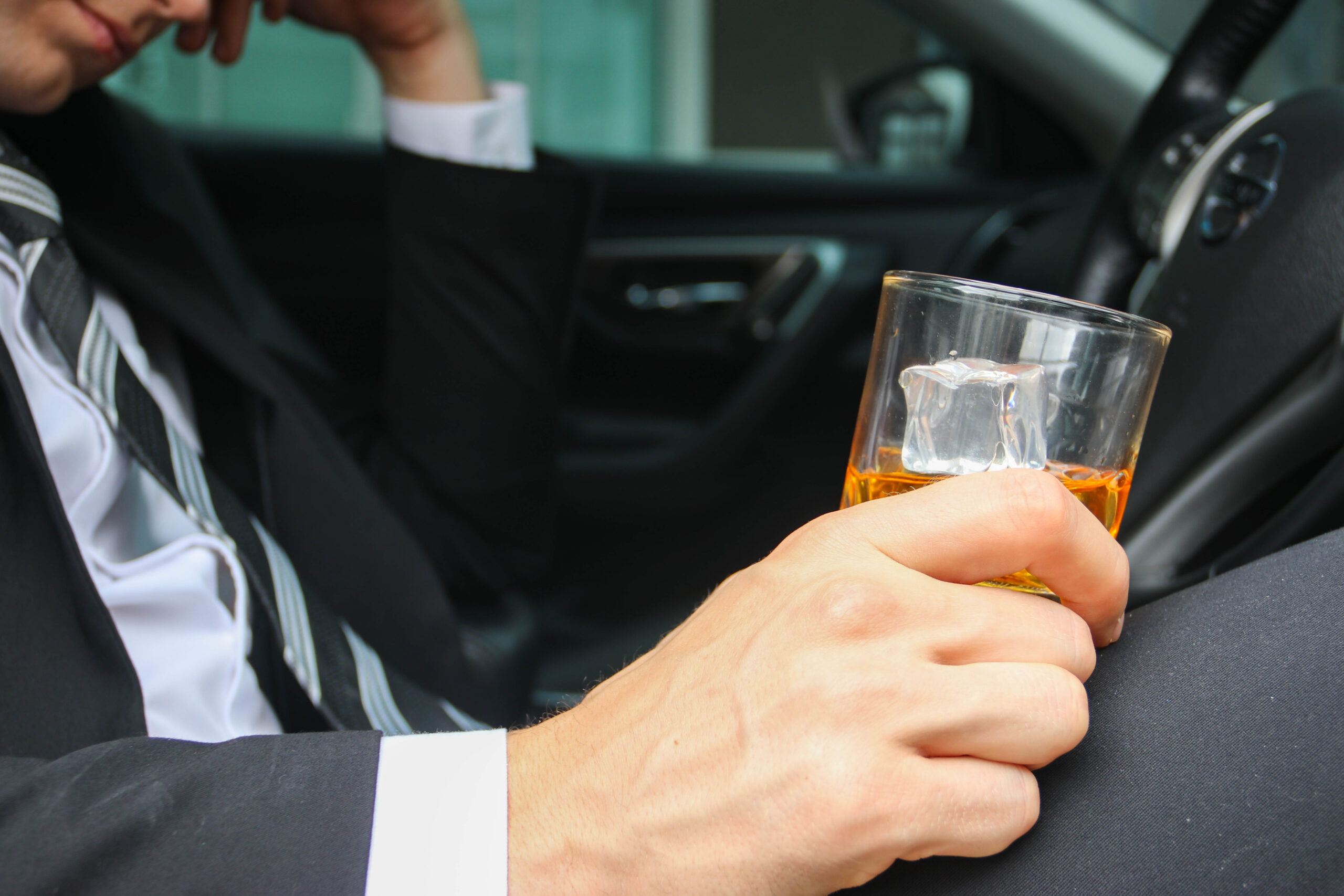
An arrest for driving while impaired (DWI) or under the influence (DUI) near Eagan can happen quickly, and the effects may begin before your first court date. A DWI defense lawyer can help you safeguard both your criminal case and your driver’s license, which Minnesota may revoke through a separate administrative process.
We understand how a DWI arrest can threaten your license, your job, and your future. Below, we detail what constitutes driving while impaired and under the influence in Minnesota and how our Eagan DUI defense attorney can help you keep more options open. Don’t wait to get the help you need, contact us today at (651) 222-6603 to speak with an experienced attorney and start protecting your rights and your future.
Key Takeaways
- DWI and DUI charges in Minnesota carry serious consequences—including jail time, fines, license suspension, and long-term impacts on your record and insurance.
- You can be charged even without “obvious” impairment—police may rely on BAC results, field sobriety tests, driving behavior, or other observations.
- DWI cases involve two separate proceedings—a criminal case in court and an administrative license action through the Department of Public Safety/DVS.
- Penalties increase with prior offenses or high BAC levels—repeat offenses or aggravating factors can lead to felony-level charges and harsher sentencing.
- Refusing a chemical test can create additional penalties—Minnesota’s implied consent law treats refusal as a separate offense with serious consequences.
- There are viable defenses to DWI/DUI charges—including illegal stops, lack of probable cause, and challenges to breath or blood test accuracy.
- Early legal representation is critical—a defense attorney can challenge evidence, protect your license, and guide you through both court and administrative processes.
What Counts as DWI in Minnesota?
In Minnesota, DWI includes more than driving under the influence of alcohol. The primary offense is driving, operating, or being in physical control of a motor vehicle while impaired in specific ways, such as:
- Being under the influence of alcohol or drugs;
- Having an alcohol concentration of 0.08 or more (or 0.04 for commercial drivers) within the testing window;
- Having certain illegal drugs in your body, unless the law provides an exception; and
- Cannabis-related impairment.
The “Physical control” element of the offense often surprises people. You do not need to be driving to face charges. Sitting in a parked vehicle with keys nearby can result in charges, depending on the circumstances.
What Are the Elements Prosecutors Must Prove?
A DWI charge is not an automatic conviction. The state must prove two legal elements beyond a reasonable doubt:
- You drove, operated, or were in physical control of a motor vehicle; and
- You met one of the impairment or chemical-threshold conditions described in the statute.
In many cases, the key issue is whether the officer can prove driving, operation, or physical control, not just impairment. Focusing on these elements is often critical to the outcome.
What Are Minnesota DUI Penalties?
The consequences you face for a DUI/DWI conviction depend on the degree of the charge and whether aggravating factors apply. The following table details the potential maximum penalties.
| Degree | Level | Typical Trigger | Maximum Penalty |
| Fourth-degree | Misdemeanor | Basic DWI (no aggravating factor) | Up to 90 days jail / $1,000 fine |
| Third-degree | Gross misdemeanor | DWI with one aggravating factor, or test refusal | Up to 364 days jail / $3,000 fine |
| Second-degree | Gross misdemeanor | DWI with two aggravating factors (or refusal + an aggravating factor) | Up to 364 days jail / $3,000 fine |
| First-degree | Felony | Three+ qualified prior incidents (or certain prior felony histories) | Up to 7 years prison / $14,000 fine |
Maximum penalties may differ from actual outcomes. Sentencing depends on your history, the facts of the case, and the specific charges. For people with more than one conviction, Minnesota law includes provisions that may require certain minimum jail or prison sentences.
Additional consequences may include the installation of an ignition interlock device. If your license is revoked or suspended, reinstatement involves significant costs and procedural steps.
What Does “Aggravated” Mean for Aggravated DWI Charges in MN?
While “aggravated” is often used informally, in Minnesota, it refers to specific statutory aggravating factors. Minnesota defines an aggravating factor as including:
- A previous impaired driving offense within ten years;
- A blood alcohol concentration of 0.16 or higher; or
- Driving with a qualifying child passenger.
Aggravating factors can increase the degree of the offense, resulting in greater potential jail exposure, higher fines, and stricter probation conditions. They can also affect your license consequences and the process to regain driving privileges.
We approach aggravated charges systematically by identifying the alleged factors, evaluating supporting evidence, and determining applicable legal challenges.
How Does the Breath Test Process Work, and What is a Breath Test Refusal Defense?
Minnesota’s implied consent law presumes you agree to chemical testing when arrested for DWI, unless you refuse. Defending against a testing refusal involves addressing three key questions:
- Did the police ask you to take the test legally? A valid arrest and proper advisory under Minnesota law are required.
- Was it truly a refusal? Minnesota statutes define the process for evaluating testing samples and when failures or deficiencies can count as refusal.
- What is the best strategy across both tracks? The criminal case and the license revocation proceedings are related but legally distinct.
Refusing a chemical test may result in criminal charges and license revocation.
What if You Were Incapable Of Refusal?
Minnesota law provides that someone unconscious or otherwise incapable of refusal is still considered to have consented to testing. Implied consent is about legal consent, not the level of intoxication. In limited circumstances, a defense of physically unable to provide a sufficient breath sample may be available to your case.
Where Will You Be Taken After a DWI Arrest in Eagan?
Most DWI arrests in Eagan begin with the Eagan Police Department and proceed to booking, which may involve transport to a county facility, depending on the situation. The Eagan Municipal Center at 3830 Pilot Knob Rd. provides city services, including police resources.
From there, what happens typically depends on:
- Whether chemical testing is by breath, blood, or urine;
- Whether there are aggravating factors;
- Whether law enforcement seeks a warrant for blood/urine testing; and
- Whether you are held for a court appearance.
Minnesota’s criminal procedure rules also set the timeline for charges after an arrest without a warrant, including how quickly the charges must be brought and initial court appearances.
What Happens to Your Driver’s License After a DWI Arrest?
A DWI can trigger administrative license actions, including revocation for test refusal or failure, based on officer certification and test results.
You also have the right to challenge that action. Minnesota law allows a petition for judicial review after receiving a notice of revocation, and it outlines the issues a court can consider.
What Defenses Can a DWI Defense Lawyer Use in an Eagan DWI Case?
A competent DUI defense attorney can evaluate factual and legal weaknesses in the case without making assumptions. Common defense areas include:
- Stop issues. Was there a lawful basis for the traffic stop?
- Field sobriety testing. Did conditions, instructions, injuries, footwear, weather, or nerves affect your performance?
- Probable cause. Did the officer have enough probable cause, according to the statute, to arrest you?
- Breath testing reliability. Were observation, machine calibration, and sample procedures properly followed?
- Blood and urine testing. Did law enforcement satisfy warrant requirements, chain of custody, and laboratory procedures?
- Driving and physical control disputes. Were you actually operating or in physical control?
Our role is to gather and present evidence in these areas, including video, reports, audio, test records, timelines, and witness statements, to protect your rights.
Why Contact Arechigo & Stokka After a DWI?
A DWI charge can be overwhelming. The appropriate response is not panic, but a structured legal strategy. At Arechigo & Stokka, our firm supports you with:
- Direct access to your lawyer,
- Prompt responses and clear explanations,
- Strategies tailored to your goals, and
- Courtroom readiness when negotiations are not enough.
If you face DWI charges in or near Eagan, Arechigo & Stokka brings decades of criminal defense experience and courtroom confidence to every DWI case we handle. Contact us today at (651) 222-6603 to discuss your case and receive a clear assessment of your options.
FAQ
What should I do first after a DWI arrest in Eagan, MN?
Stay calm, avoid making statements to police beyond basic identification, and contact a DWI defense lawyer as soon as possible to protect your rights and license.
What is the difference between DWI and DUI in Minnesota?
In Minnesota, the legal term is DWI (Driving While Impaired), which covers alcohol, drugs, or any substance that impairs driving ability.
Can I be charged with DWI even if my BAC is below 0.08?
Yes. You can still be charged if law enforcement believes your ability to drive was impaired, even if your blood alcohol concentration is below the legal limit.
Will I lose my driver’s license after a DWI arrest?
License suspension can happen quickly after a DWI arrest, but you may have limited time to challenge it or request a hearing.
What happens if I refuse a breath or chemical test?
Refusing a test can lead to additional penalties, including license revocation and possible separate criminal charges under Minnesota’s implied consent law.
What are common defenses to DWI charges?
Common defenses include unlawful traffic stops, lack of probable cause, improper testing procedures, and issues with breath or blood test accuracy.
Can a first-time DWI be reduced or dismissed?
Depending on the facts, evidence issues, and prior record, some first-time DWI charges may be reduced or dismissed through negotiation or legal challenges.
Do I have to go to court for a DWI in Eagan?
Yes, most DWI cases require at least one court appearance, and sometimes multiple hearings depending on how the case progresses.
What penalties can I face for a DWI in Minnesota?
Penalties may include fines, jail time, probation, license suspension, ignition interlock requirements, and increased insurance costs.
Why should I hire a DWI defense lawyer early?
Early legal help can protect your driving privileges, challenge evidence quickly, and improve your chances of reducing or dismissing charges.
Legal Resources Used To Inform This Page:
To ensure the accuracy and clarity of this page, we referenced official legal and authoritative sources during the content development process.
- Minnesota DWI Law (Elements), Minn. Stat. § 169A.20 (2025).
- Chemical Testing Rules / Implied Consent, Minn. Stat. § 169A.51 (2025).
- Definitions and Aggravating Factors, Minn. Stat. § 169A.03 (2025).
- Minnesota Revised Statutes. Chapter 169a. Driving While Impaired (2025).
- Fourth-Degree DWI, Minn. Stat. § 169A.27 (2025).
- Third-Degree DWI, Minn. Stat. § 169A.26 (2025).
- Second-Degree DWI, Minn. Stat. § 169A.25 (2025).
- First-Degree (Felony) DWI, Minn. Stat. § 169A.24 (2025).
- License Revocation For Test Failure Or Refusal, Minn. Stat. § 169A.52 (2025).
- Judicial Review Deadline And Issues, Minn. Stat. § 169A.53 (2025).
- Minnesota Department of Public Safety. Ignition Interlock Program.
- Minnesota DPS. Driver’s License Reinstatement Fees.
- Minnesota Court Rules.Rule 4 Procedures After Arrest Without Warrant.
- Eagan Police Department.
